Processes
Wear placed where the body puts it. Not a printed filter: a garment that has already lived, with a level of wear you can decide and repeat.
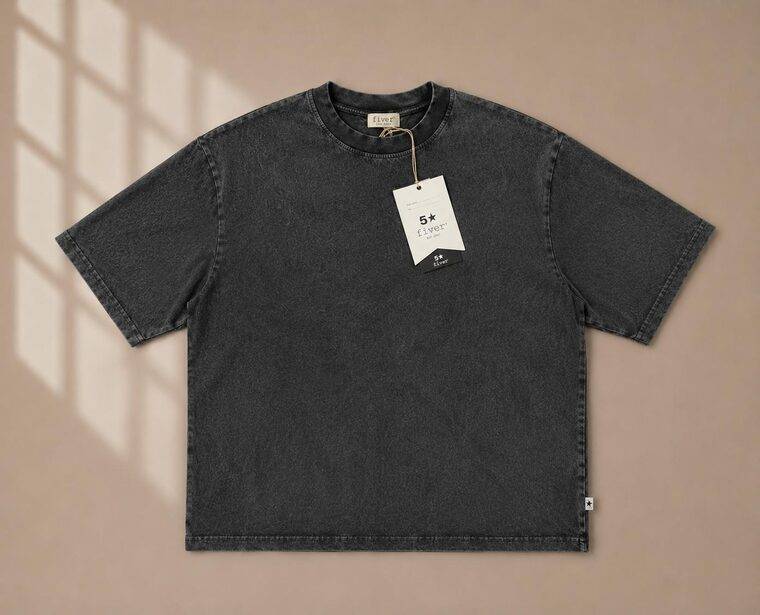
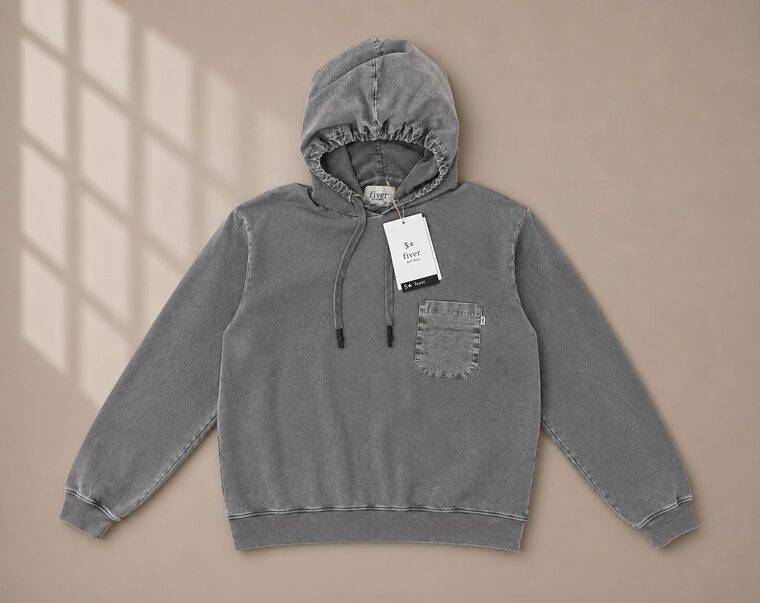
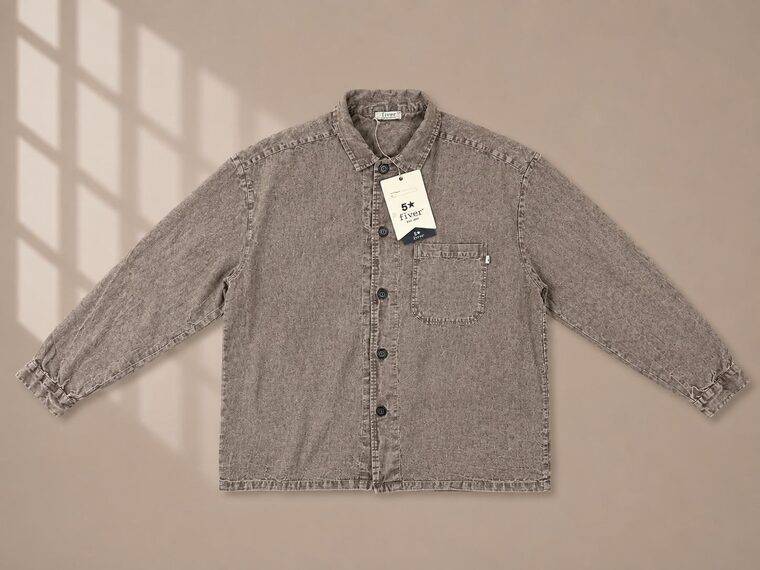
Distressing is not a machine: it is a sequence. A garment becomes «old» by passing through several hands — mechanical abrasion, enzymes, colour applied by hand, sometimes rips and repairs. No single step produces the effect; it is the combination and the order that do.
And it is repeatable. The point is not making one garment that looks worn — it is making two hundred that look worn the same way, within the tolerance the brand accepts, fixed before the run starts.
Processes
Abrasion on seams, pockets, edges. Mechanical: wear lands where the body actually rubs, not at random.
Colour applied by hand for shading, shadows and worn edges. This is the step that makes a garment look used rather than new.
Controlled lightening at knees, thighs, shoulders and seams. Dosed by zone, not across the whole garment.
Cuts, fraying and stitched patches. The most recognisable technique and the hardest to get right.
Before wear, the garment goes through stone or enzymes: without a soft base, distressing reads as fake.
Processes
It works where the garment has structure to wear down: heavy seams, dense fabric, exposed edges.
Its natural territory. Five-pocket, jackets, dungarees.
Robust twill, exposed seams, patch pockets: more material to wear, stronger effect.
With a light hand: wear on edges and cuffs, not across panels.
On thin poplin or silk, wear becomes damage rather than a finish.
Processes
«Distressed» is not one value. There are three levels, each with a different audience.
Lightly worn: softened edges, colour slightly knocked back. Sells in a shop without looking damaged.
Obvious wear on seams and pockets, localised bleaching. The level you see across street collections.
Rips, patches, heavy fading. Needs a brand that can carry it, and is decided piece by piece.
The grade is fixed on a sample. On distressed garments the tolerance is tighter than on a plain wash, because every manual step introduces variation.
Processes
Confezione Nova cuts and sews in Prato. The finishing runs at the specialist dyehouse we have worked with for years: that is where the abrasion equipment, the spray booth and the hands that can dose the effect are.
This is the normal Italian arrangement: garment-making and finishing are two trades, with different machinery and different skills. We hold the cycle — garment, fabric, pattern, timing — and we answer to the client.
Processes
Distressing is built on top of a garment that has already been worked. Worth seeing as well:
Got a garment to distress?
Send us the details